
Utah residents enjoy strong privacy protections from robocalls under state and federal laws, including the Unfair or Deceptive Acts and Practices Act (UDAP) and Telephone Consumer Protection Act (TCPA). Documenting incidents, keeping records, and consulting legal specialists are crucial steps. Consumers can file complaints with the FTC and bring private lawsuits for unauthorized calls. Penalties for violators are significant, as demonstrated by recent class-action settlements. To protect themselves, consumers should maintain "do not call" lists, register numbers, use blocking tools, and stay informed about privacy rights. Take immediate action and consult an experienced attorney for legal options like TCPA or UCSPA lawsuits in Utah.
In today's digital age, understanding your privacy rights is more crucial than ever. With the proliferation of robocalls, spam texts, and data breaches, individuals across Utah are seeking clarity on their legal protections. The constant deluge of unsolicited communications raises a pressing question: Can I sue for robocalls in Utah? This article provides an authoritative guide to navigating the complexities of privacy laws in Utah, offering practical insights and strategies to protect your rights and empower you to take action if necessary, including exploring legal avenues such as suing for robocalls.
Know Your Rights: Utah's Privacy Laws Explained

In Utah, privacy rights are protected by a combination of state and federal laws. Understanding these laws is crucial for residents to safeguard their personal information. One common concern many Utahns face today is the increase in robocalls, which can be intrusive and often illegal. According to recent data from the Federal Communications Commission (FCC), robocalls account for over 40% of all phone calls in the United States, with Utah no exception. This surge has led many to question their rights and options when it comes to stopping unwanted calls.
Utah's privacy laws offer residents significant protections. The state's Unfair or Deceptive Acts and Practices Act (UDAP) prohibits businesses from engaging in fraudulent or unfair practices, including those that invade personal privacy. This means companies cannot call individuals without consent, especially if the caller ID is blocked, a practice often associated with robocalls. Furthermore, Utah's Telephone Consumer Protection Act (TCPA) mirrors federal regulations by limiting telemarketing calls and providing residents with the right to sue for damages if their privacy is violated. For instance, a Utah resident who receives repeated robocalls despite being on the National Do Not Call Registry can file a lawsuit under the TCPA, seeking compensation for each violation.
Knowing your rights is empowering. If you're receiving excessive or unwanted robocalls, document the calls, including the date, time, caller ID, and any recorded messages. This evidence can be invaluable if you decide to take legal action. Consulting with a legal professional who specializes in privacy law can provide further guidance on your specific situation. By staying informed about Utah's privacy laws and taking proactive measures, residents can protect their rights and potentially hold culprits accountable, including those behind nuisance robocalls.
Unwanted Calls: Can You Sue for Robocalls in Utah?

In Utah, as in many states across the nation, unwanted phone calls, particularly robocalls, have become an increasingly prevalent nuisance. While these automated messages can be frustrating, consumers often wonder about their legal recourse when it comes to stopping them. The good news is that residents of Can I Sue For Robocalls Utah do possess certain rights and options available to combat this growing issue.
The Telephone Consumer Protection Act (TCPA) provides a framework for addressing unauthorized automated calls, including robocalls. This federal law prohibits telemarketers from making unsolicited calls using automated dialing systems or prerecorded messages without prior express consent from the recipient. If you have received robocalls in Utah and believe your privacy rights have been violated, taking action can be a powerful deterrent. Filing a complaint with the Federal Trade Commission (FTC) is a crucial first step, as they enforce TCPA regulations. Additionally, many states, including Utah, allow consumers to file private lawsuits against companies that violate TCPA rules.
To determine if you have a valid case for Can I Sue For Robocalls Utah, consider keeping records of the calls, such as date, time, and content. If the calls persist despite your requests to stop them, these details can be invaluable evidence. Consulting with an attorney specializing in privacy rights or consumer protection law can provide further guidance tailored to your situation. Remember, proactive measures and legal action can help protect your privacy from unwanted robocalls.
Understanding Robocall Regulations in Utah

In Utah, robocalls are regulated by both state and federal laws, designed to protect consumers from unwanted or deceptive telephone solicitations. The Telephone Consumer Protection Act (TCPA) is a federal law that places restrictions on automated phone calls, including robocalls, for marketing purposes. Notably, the TCPA prohibits calls made using an Auto-Dialer or prerecorded messages without prior express consent from the recipient. Utah's laws mirror these federal provisions, ensuring additional safeguards for residents.
Robocallers who violate these regulations face severe consequences, including substantial fines and potential legal liability. Consumers in Utah have the right to seek recourse if they receive robocalls in violation of these rules. For instance, a class-action lawsuit filed in 2021 resulted in a $5 million settlement for residents across multiple states, including Utah, who received unwanted telemarketing calls. This underscores the seriousness with which these laws are enforced and the rights available to affected individuals. If you have received a robocall and believe it was made without your consent, you may be able to take legal action; consulting with an attorney specializing in consumer protection law can help determine your options, including the possibility of suing for robocalls in Utah.
Practical advice for consumers includes maintaining a strict "do not call" list, registering your number on national "do not call" registries, and using available tools to block or identify suspicious calls. Staying informed about your rights under both state and federal law is also crucial. Regularly reviewing call logs and taking note of any recurring or unknown numbers can help in identifying potential violators. By understanding and asserting their privacy rights, Utah residents can play a significant role in curbing unwanted robocalls and maintaining a peaceful, less disruptive communication environment.
Protecting Your Data: A Guide to Utah's Consumer Protection Act
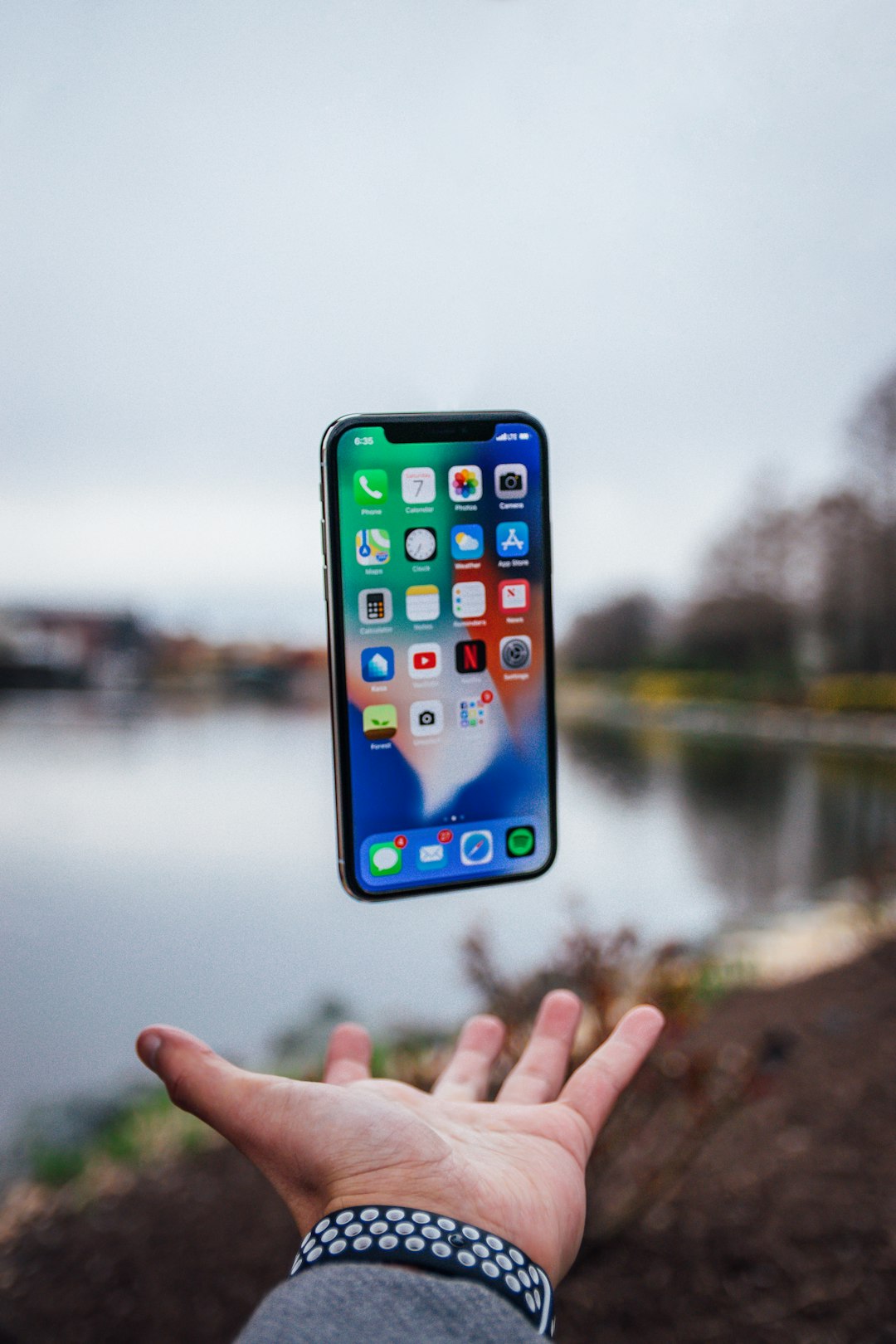
In Utah, protecting your data is a significant aspect of consumer rights, thanks to the Consumer Protection Act (CPA). This legislation aims to safeguard residents from unfair or deceptive practices in the marketplace, including those related to the handling of personal information. Under the CPA, businesses are prohibited from obtaining, using, or disclosing consumer information in a way not consistent with Utah's privacy laws. This includes practices such as selling or renting personal data without consent and making misrepresentations about data collection methods.
One area where this law has notable implications is in the context of robocalls. Can I sue for robocalls in Utah? Absolutely, if these calls violate your privacy rights under the CPA. For instance, if a business uses automated dialing systems to make unwanted calls, or worse, discloses your personal information without permission, you may have legal recourse. The CPA allows consumers to seek damages of up to $500 for each violation, with triple damages if willful or knowing violations occur.
Practical advice for Utah residents is to be diligent about how your data is used. Review privacy policies carefully and understand what information businesses collect and how they intend to use it. If you suspect a breach or violation, document the interactions and consult an attorney specializing in consumer protection laws. Proactive measures include registering on Do Not Call lists and using tools that block robocalls. By staying informed and taking these precautions, Utah consumers can better protect their data and enjoy greater privacy rights under state law.
Taking Action: Steps if You've Been a Victim of Privacy Violations

If you've been a victim of privacy violations, such as unwanted robocalls or unauthorized data access, it's crucial to know your rights and take immediate action. Utah has laws in place to protect residents from invasion of privacy, including strict regulations on telemarketing practices. According to the Utah Department of Commerce, consumers have the right to refuse calls from automated dialing systems, and businesses must obtain prior consent for marketing calls. If these rights are violated, you may be able to take legal action under Utah law.
One effective step is to document the violations meticulously. Keep a log of every incident, including the date, time, caller's information, and the content of the call. This documentation can serve as crucial evidence if you decide to file a complaint with the Utah Attorney General's Office or pursue legal action in court. Additionally, consider blocking the number(s) responsible for the robocalls using your phone's settings or third-party apps designed to combat unwanted calls.
If the privacy violations persist or if you believe they have caused significant harm, consulting with an experienced attorney is advisable. An attorney specializing in consumer protection law can help assess your case and advise on potential legal options. In some instances, individuals may choose to file a private lawsuit against the offending party, seeking damages for emotional distress, loss of sleep, or other harms stemming from the privacy violations. For example, according to the Federal Trade Commission (FTC), consumers have successfully sued companies for excessive robocalling practices, with settlements often reaching six figures.
In Utah, Can I Sue For Robocalls cases may be handled under the Telephone Consumer Protection Act (TCPA) or state-specific laws like the Utah Consumer Sales Practices Act (UCSPA). An attorney will guide you through the legal process, which may include filing a complaint with regulatory agencies, negotiating a settlement, or litigating in court. Remember, acting promptly is essential; time limits apply to privacy violation cases, so don't delay in seeking advice from a qualified professional.